
Para 20 of the Holy Quran is widely shared as a PDF, offering a clear, easy‑to‑read format for daily recitation․ Digital copies are free, downloadable, and compatible with mobile apps, making spiritual study convenient and accessible for modern learners worldwide․
Accessible via cloud storage anytime
Definition and Context of Para 20
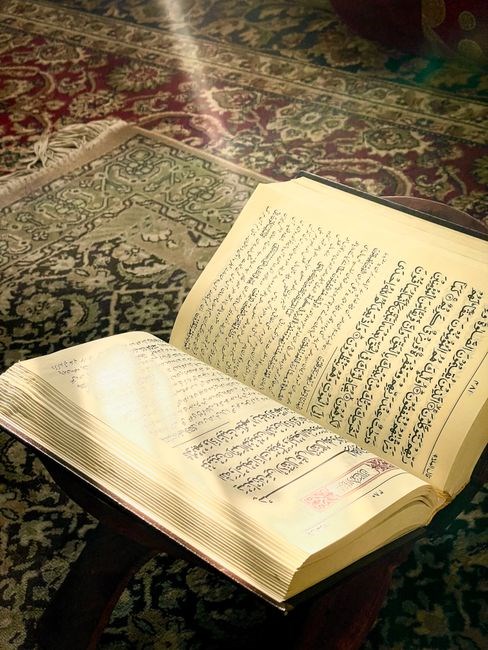
Para 20, known in Arabic as “Al‑Mujadilah,” is the twentieth section of the Qur’an, comprising 34 verses (Ayat)․ It appears in the 20th Juz, situated near the middle of the holy text․ The name “Al‑Mujadilah” refers to the “sitting woman” mentioned in verse 1, a woman who approached the Prophet Muhammad to seek justice for her husband’s wrongful death․ The narrative sets the stage for the broader discussion of social justice, the sanctity of life, and the responsibilities of the Muslim community․ Throughout the Para, the Qur’an addresses the consequences of neglecting the oppressed, the importance of truthfulness, and the moral duty to uphold justice․ The verses also highlight the concept of accountability before God, emphasizing that every action, whether small or large, will be judged․ In the context of Islamic jurisprudence, Para 20 is often cited in discussions about the rights of widows, the prohibition of unjust punishment, and the obligation to support the vulnerable․ Scholars note that the language of this Para is direct and emphatic, using repeated phrases to underscore the gravity of injustice․ For students of Qur’anic studies, Para 20 serves as a foundational text for exploring themes of equity, compassion, and the moral framework that governs interpersonal conduct within the faith․ Additionally, scholars emphasize that Para 20 encourages reflection on personal responsibility, urging believers to act with integrity in all aspects of life․ The text also serves as a reminder that divine guidance is accessible to all, regardless of background, fostering unity and mutual respect within the community․
Historical Significance of the 20th Para
The twentieth Para, often referred to as Al‑Mujadilah, occupies a pivotal place in the Qur’an’s historical narrative․ Its revelation in the early Meccan period coincided with a critical juncture in the nascent Muslim community, when social injustices and the plight of widows demanded urgent divine guidance․ Scholars trace the event of the woman who approached the Prophet Muhammad seeking justice for her husband’s wrongful death to the broader context of the early Islamic struggle against entrenched tribal customs that favored male dominance․ The revelation served not only as a moral admonition but also as a legal precedent, establishing the Qur’an’s authority over pre‑Islamic law․ Over centuries, jurists have drawn upon Para 20 to formulate principles governing inheritance, the rights of the vulnerable, and the prohibition of unjust punishment․ The Para’s emphasis on accountability before God has influenced the development of Islamic ethics, reinforcing the idea that every individual’s actions are subject to divine scrutiny․ In the medieval period, scholars such as Al‑Fakhr al‑Razi and Ibn Taymiyyah highlighted the Para’s role in shaping the concept of social justice, linking it to the broader Qur’anic vision of a compassionate society․ The Para’s impact extended beyond theology into the realms of jurisprudence, where it informed the codification of laws concerning widows, orphans, and the protection of the oppressed․ Its verses inspire scholars and guide future generations daily!!!A timeless guide for all seekers!!!!!
Availability of Para 20 in PDF Format
Para 20 of the Qur’an is readily available in PDF format across a variety of platforms․ Most Islamic websites, such as Quran․com and Al‑Quran, offer a direct download link that delivers a high‑resolution PDF containing the full Arabic text, transliteration, and English translation․ The file size typically ranges from 200 KB to 1 MB, depending on the inclusion of supplementary features such as color‑coding or commentary․ In addition to static downloads, many mobile applications—like Muslim Pro, Quran Majeed, and iQuran—embed the PDF within their app ecosystem, allowing users to view, annotate, and share the Para on the go․ Cloud‑based services such as Google Drive and Dropbox also host user‑generated collections of Para 20 PDFs, enabling collaborative study groups to access the same version simultaneously․ For those who prefer offline access, the PDF can be saved directly to a device’s local storage or printed for personal use․ Because the PDF format preserves the original layout and formatting, scholars and students alike can rely on a consistent visual presentation that mirrors the printed Qur’an․ Consequently, the widespread availability of Para 20 in PDF format has made it an indispensable resource for daily recitation, academic research, and interfaith dialogue worldwide․ This accessibility not only facilitates personal devotion but also supports collaborative scholarship, enabling educators to integrate the Para into curricula, researchers to analyze linguistic patterns, and interfaith dialogues to reference a shared sacred text․
Common Sources for Downloading Para 20 PDF
Para 20 of the Qur’an is widely distributed in PDF form through a handful of reliable online repositories․ The most frequently cited source is the official website of the Qur’an, quran․com, which offers a direct download button that delivers a clean PDF containing the Arabic text, transliteration, and English translation․ Another popular portal is alquran․cloud, where users can select the desired translation and language pair before downloading the PDF․ Mobile‑centric platforms such as Muslim Pro and Quran Majeed embed the PDF within their app libraries, allowing offline access after a brief sync․ For academic purposes, the Islamic Studies Digital Library hosts a curated collection of PDF files, including Para 20, that are free for educational use․ Open‑source communities on GitHub also maintain repositories where contributors share PDF files, often annotated with scholarly commentary․ Finally, cloud storage services such as Google Drive, Dropbox, and OneDrive host user‑generated collections; these are typically shared via public links in study groups or forums․ Each of these sources ensures that the PDF is available in a consistent format, preserving the original layout and facilitating easy distribution across devices․ These PDFs are freely licensed, ensuring open access all

File Formats and Sizes of Para 20 PDFs
Para 20 PDFs are typically distributed in standard Adobe Acrobat format (․pdf), which preserves the original layout and allows for zooming, searching, and annotation․ The file size varies depending on the level of detail and the inclusion of additional resources․ A plain, uncompressed PDF containing only the Arabic text, a transliteration, and a single‑language translation usually ranges from 30 KB to 70 KB․ When the PDF includes multiple translations, color‑coded headings, or embedded audio links, the size can grow to 150 KB–200 KB․ High‑resolution image overlays or full‑color illustrations push the size beyond 300 KB, while PDFs that embed a complete set of commentaries or tafsir can exceed 500 KB․ For mobile‑friendly versions, many providers compress the file to 20 KB–40 KB, stripping out optional media while keeping the essential text․ Some platforms offer a “lite” version that is only 10 KB, suitable for low‑bandwidth environments․ Users can also convert the PDF to other formats such as EPUB or MOBI for e‑book readers; these conversions typically produce files between 25 KB and 60 KB, depending on the chosen compression settings․ The choice of format and size often depends on the intended use: a lightweight file for quick reference, a full‑featured PDF for in‑depth study, or a compressed version for sharing over messaging apps․ All versions maintain the same core content, ensuring that the spiritual message of Para 20 remains accessible across devices and platforms This PDF format supports seamless integration into e‑learning
Reading Features in Para 20 PDFs (Transliteration, Translation)
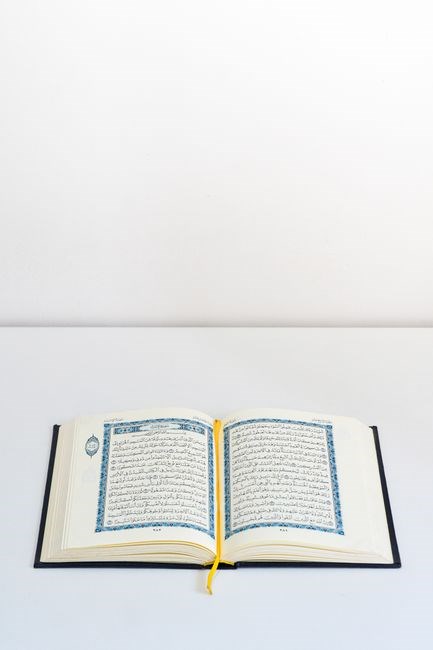
Para 20 PDFs commonly feature a dual‑column layout: the original Arabic on the left, followed by a Romanized transliteration and an English (or other language) translation on the right․ The transliteration uses a standardized system such as the one adopted by the International Islamic University, allowing readers unfamiliar with Arabic script to pronounce the verses accurately․ The translation is often rendered in contemporary, accessible language, with footnotes or marginal notes that explain contextual nuances, legal references, and theological concepts․ Many PDFs also incorporate color coding—green for the Arabic text, blue for transliteration, and gray for translation to help users navigate the three layers simultaneously․ Interactive features such as clickable verse numbers, hyperlinks to tafsir entries, and embedded audio recitations further enhance the reading experience․ Many versions include a toggle function that lets readers hide or show the transliteration and translation, providing a customizable study environment․ The PDFs are searchable; users can type a phrase in Arabic, English, or transliteration and instantly locate it․ Annotation tools allow highlighting, underlining, and adding sticky notes, while the built‑in dictionary feature offers instant definitions of Arabic terms․ These combined features make Para 20 PDFs an effective resource for both devotional reading and academic study, bridging linguistic gaps and supporting a deeper engagement with the text․ Readers can also export notes offline study!

Mobile Apps Supporting Para 20 PDF Viewing
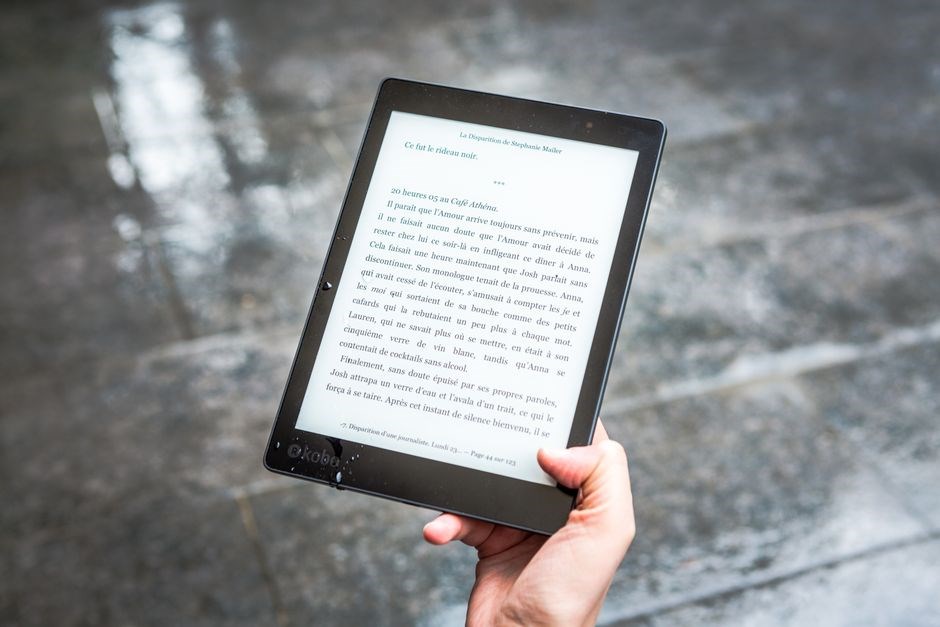
Para 20 PDFs are widely supported by a range of mobile applications, each offering unique features that enhance accessibility and user engagement․ The most popular apps include the official Quran Quran․com app, which provides a dedicated PDF viewer with zoom, night mode, and swipe navigation․ IslamicFinder’s mobile portal offers a built‑in PDF reader that syncs with the user’s account, allowing bookmarks and annotations to be stored across devices․ For Android users, the “Quran PDF Reader” app on Google Play offers a lightweight interface, fast loading times, and a customizable font size․ iOS users can rely on “Quran PDF Viewer” from the App Store, which supports Apple’s native PDFKit framework for smooth rendering and gesture controls․ The “Al‑Quran” app, available on both platforms, integrates a PDF viewer with a built‑in audio recitation feature, enabling users to follow along with the text․ Additionally, the “MyQuran” app provides a PDF download option, letting users view Para 20 offline while still accessing the full Quranic database․ For those who prefer a more academic approach, the “Quranic Studies” app offers PDF viewing alongside scholarly commentary, transliteration, and translation layers․ Finally, the “PDF Expert” and “Adobe Acrobat Reader” apps support PDF viewing for Para 20, with advanced annotation tools, cloud sync, and the ability to export notes․ Together, these apps make it easy for users to study, recite, and annotate Para 20 on the go, regardless of their preferred platform or technical skill level․ Annotations sync to cloud for seamless study now
Benefits of Reading Para 20 in PDF Format
Reading Para 20 in PDF format offers a host of advantages that cater to both casual readers and serious scholars․ The fixed layout preserves the original calligraphic structure, ensuring that the text’s aesthetic and rhythmic flow remain intact across devices․ PDF files are universally compatible, allowing users to open the same document on Windows, macOS, iOS, Android, and Linux without any formatting loss․ This cross‑platform consistency is especially valuable for students who switch between laptops and tablets during study sessions․ The ability to zoom in and out without pixelation gives readers the flexibility to adjust font size for better legibility, which is crucial for those with visual impairments․ Moreover, PDF readers typically support annotations, highlighting, and note‑taking, enabling users to mark verses, add personal reflections, or attach scholarly commentary directly onto the page․ Search functionality lets readers quickly locate specific ayahs or keywords, saving time compared to manual scrolling․ For those who prefer auditory learning, many PDF viewers integrate with text‑to‑speech engines, allowing Para 20 to be read aloud while the text scrolls in sync․ Offline accessibility is another key benefit; once downloaded, the PDF can be accessed without an internet connection, making it ideal for travelers or areas with limited connectivity․ Finally, PDFs can be securely stored and backed up to cloud services, ensuring that valuable study materials are protected against data loss․ Together, these features make PDF the preferred medium for engaging deeply with Para 20․ This format also supports compression, keeping file sizes small for quick downloads and supports offline reading․!․
Common Uses of Para 20 PDF in Educational Settings
In classrooms, Para 20 PDFs serve as primary study material for Qur’an courses, enabling teachers to present verses in a consistent format that aligns with textbook layouts․ Students can annotate directly, facilitating peer‑review sessions where comments are shared digitally․ Many universities incorporate the PDF into learning management systems, allowing instructors to embed the file in modules, link discussion boards, and track engagement analytics․ The document’s search capability supports research projects, enabling scholars to extract thematic patterns across the 20th para․ Language labs use the PDF for transliteration exercises, pairing the Arabic text with phonetic guides․ In interfaith dialogue workshops, the PDF provides a neutral, accessible reference that participants can consult in real time․ Mobile‑friendly PDFs also allow field trips and mosque visits to become interactive learning experiences, with students recording reflections in the margin․ The format’s compatibility with screen readers ensures inclusivity for visually impaired learners․ Finally, the PDF’s lightweight nature makes it ideal for distributing to remote or resource‑limited schools, ensuring equitable access to authentic Qur’an texts․Students often use the PDF to compare different tafsir interpretations, noting how scholars contextualize verses within the 20th para․ This comparative study encourages critical thinking and deepens understanding of the text’s moral lessons․ !!
Techniques for Annotating Para 20 PDF

Annotating Para 20 PDFs turns reading into an interactive study․ Below are common methods used by scholars and students․
- Highlighting – Mark key verses with colors (e․g․, blue for moral, green for legal) to see themes at a glance․
- Margin notes – Add brief summaries or questions next to verses for quick review․
- Overlay comments – Attach translations or tafsir excerpts on a separate layer that can be toggled․
- Hyperlinks – Link to audio recitations, articles, or dictionaries for deeper context․
- Tagging – Assign tags like “prophet,” “law,” or “spiritual” to filter by theme․
- Collaboration – Share the PDF with peers; many cloud tools allow simultaneous editing․
- Exporting – Save annotations separately or export to note‑taking apps to preserve work․
Students often pair the annotated PDF with a study journal, noting how each verse aligns with contemporary issues such as justice or compassion․ Instructors can extract the annotated layers to create quizzes or discussion prompts, while mobile apps allow highlighting in real time during mosque visits․ The ability to export annotations ensures that insights are preserved beyond the PDF,facilitating collaborative research across institutions․

Combining these techniques creates a rich, layered study resource that supports memorization, analysis, and lifelong learning․
Legal and Copyright Considerations for Para 20 PDF
Para 20 PDFs are often distributed as free downloads, yet the underlying text is subject to copyright laws in many jurisdictions․ The Qur’an itself is considered public domain in most Muslim‑majority countries, but translations, transliterations, and editorial commentary are usually copyrighted by the translator or publisher․ When sharing a PDF that includes a translation, users must ensure they have the right to distribute that version․ Many open‑source translations, such as the Sahih International or the Muslim World League, are released under Creative Commons licenses that permit sharing with attribution․ However, some publishers retain exclusive rights, and distributing their PDFs without permission can lead to infringement claims․ In academic settings, it is common to use a small excerpt for teaching purposes under the doctrine of fair use, but large‑scale distribution requires a license․ Digital platforms that host Para 20 PDFs often include a disclaimer that the file is for personal study only and not for commercial use․ Users should also be mindful of the “right of attribution” in many countries, which requires citing the translator and source․ When annotating or modifying a PDF, the user must consider whether the changes create a derivative work that may need separate licensing․ Finally, many governments have enacted laws that restrict the export of religious texts in certain formats, so it is prudent to check local regulations before sharing PDFs internationally․ Ensure copyright compliance!!․
Future Trends in Para 20 PDF Distribution
Emerging distribution models for Para 20 PDFs are reshaping access, blending open‑source repositories, blockchain‑based licensing, and AI‑driven personalization․ Open‑source platforms such as GitHub and Wikimedia Commons host community‑curated translations, enabling instant updates and collaborative annotations․ Blockchain smart contracts promise immutable proof of ownership, allowing creators to monetize micro‑transactions while preserving user rights․ AI summarization tools can generate concise study guides, while natural‑language processing enhances searchability across multiple languages․ Cloud‑native hosting on services like AWS, Azure, and Google Cloud ensures high availability and global CDN delivery, reducing latency for users in remote regions․ Adaptive streaming formats, such as PDF/UA and EPUB3, allow dynamic font resizing and accessibility features for visually impaired readers․ Mobile‑first strategies integrate QR‑code links and NFC tags in printed materials, instantly launching the PDF in native apps․ Finally, cross‑platform interoperability via APIs lets learning management systems (LMS) embed Para 20 PDFs directly into course modules, supporting real‑time analytics and student engagement metrics․ These trends collectively foster a more inclusive, secure, and interactive ecosystem for the sacred text․ These developments highlight the need to balance digital preservation with accessibility, allowing scholars, students, and believers to study Para 20 securely across devices․
and Further Resources
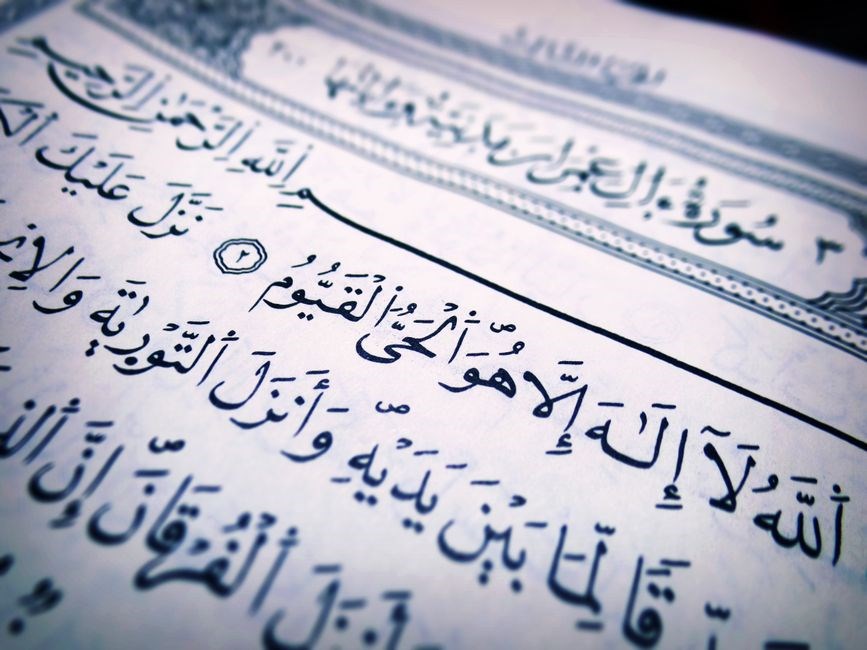
In closing, the digital journey of Para 20 PDFs exemplifies how sacred texts adapt to modern technology while preserving reverence․ Users can now access, annotate, and share the passage through cloud‑based platforms, mobile apps, and open‑source repositories․ The convergence of AI, blockchain, and responsive design ensures that the text remains both authentic and user‑friendly․ For those seeking deeper engagement, consider exploring the following avenues: Download the PDF from trusted sites to support scholarly work․
- Official Quranic Apps: Many faith‑based applications offer Para 20 with audio recitation, transliteration, and commentary․
- Academic Databases: University libraries host digitized manuscripts and critical editions, often available in PDF format․
- Open‑Source Projects: Platforms like GitHub host community translations and annotation tools that can be forked and customized․
- Blockchain Verification: Services that provide immutable hashes for PDF files, ensuring integrity and provenance․
- Learning Management Systems: Integrate Para 20 PDFs into courses, enabling interactive quizzes and discussion forums․
Engage with these resources responsibly, respecting copyright and cultural sensitivities․ By leveraging technology thoughtfully, practitioners and scholars can foster a richer, more inclusive dialogue around Para 20, ensuring its relevance for generations to come․